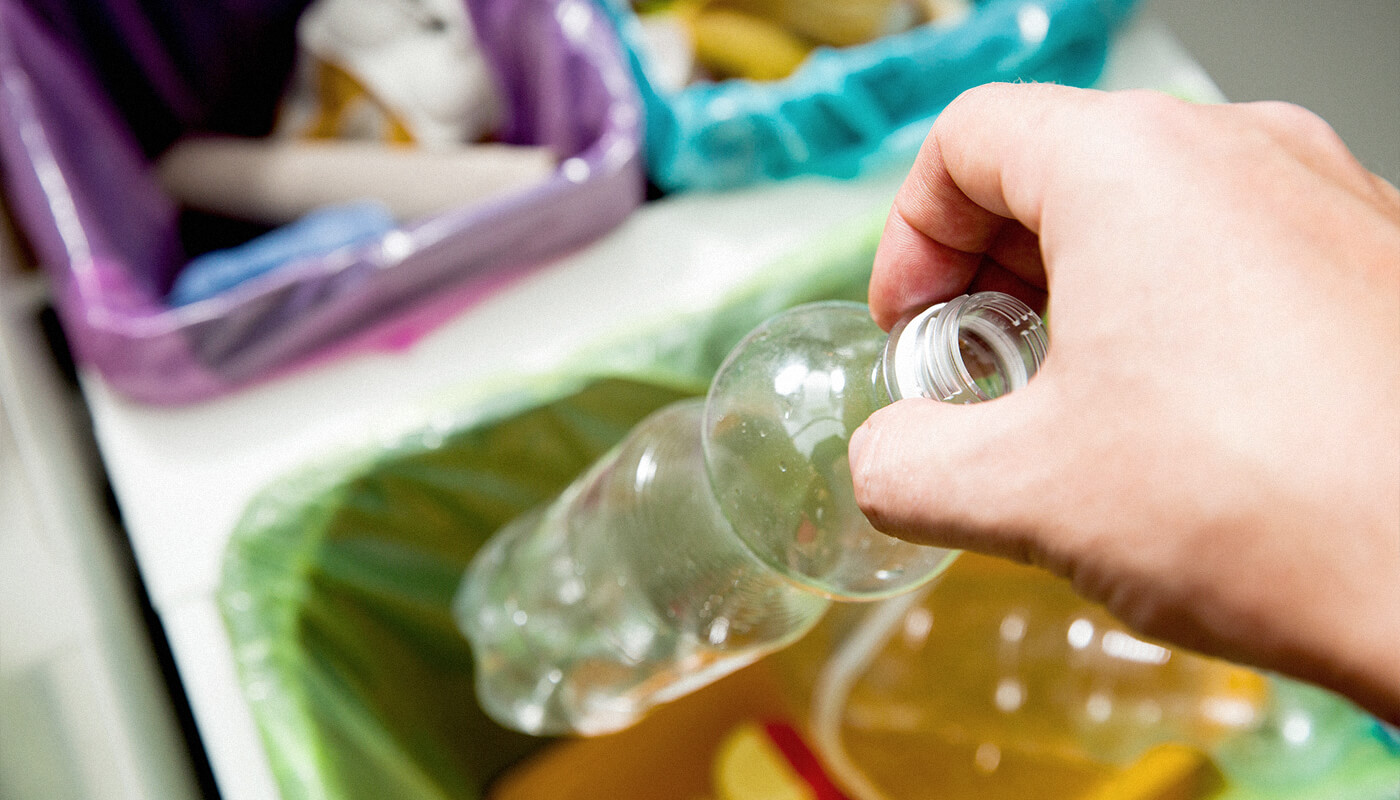
Turns out, quite a lot.
Be honest – when you hear about food waste recycling, do you think ‘what’s actually in it for me?’.
You already recycle your cans, paper, cardboard, glass and plastics. Adding in food waste feels messy, pointless and you’re not 100% sure what even happens to it once collected anyway…
This Recycle Week, we’re shedding light on food waste recycling and its impacts, and how you don’t have to be perfect to make a difference.
Keeping things fresh
No bin is perfect, but putting scraps and peels into our food waste bin instead of the rubbish is the easiest way to keep things as fresh as possible.
Most of us empty our rubbish bin once a week on bin day, but with food waste it’s quick and easy to empty into the outdoor bin more regularly – you can even do it whilst waiting for the kettle to boil. By doing it this way, your food isn’t sitting inside your kitchen for days getting smelly and unpleasant.
If you’re still not sure, try lining the bin with newspaper, or double bag it and rinse out the bin with soap or anti-bac after emptying.
Getting more from your food shop
Lots of us think we don’t waste food, but in fact one-third of what’s in our bins is food. Londoners could save £1000 a year by reducing the amount of food we chuck away.
Recycling might not seem to have any financial benefits, but seeing that bag of lettuce or mouldy bread all in one place acts as a food waste audit, helping us see the amount of food (and money) we’re throwing away.
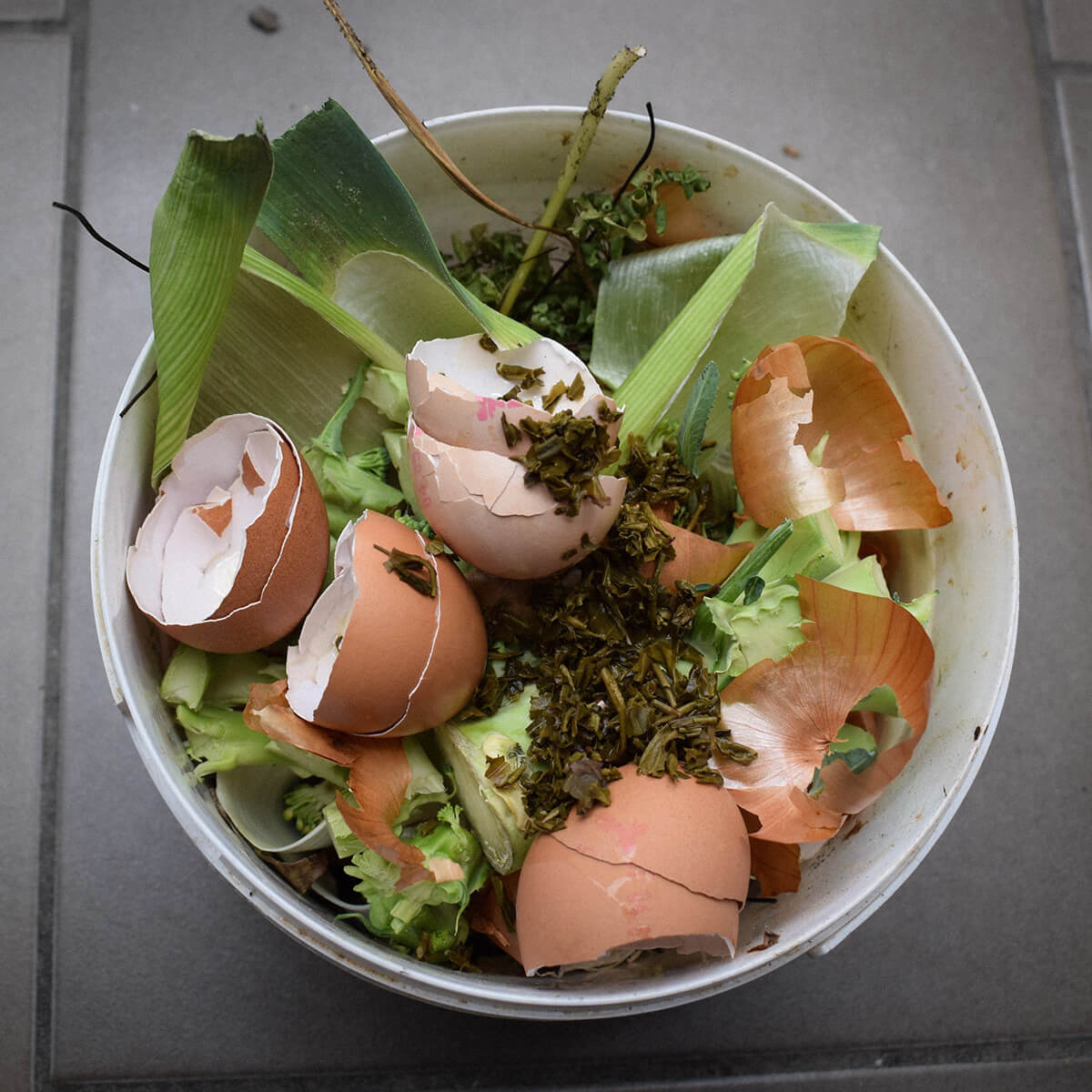
Of course there’s the unavoidable food waste like egg shells, banana peels and bones. But what’s so great about recycling them is that they can go on to do amazing things…
What happens next…
Putting food in your main black bin means it gets burned or sent to landfill where it releases methane emissions that are heating up our planet.
But by recycling our food, we can avoid this and instead put the food we can’t eat to good use.
Once your council collects your food waste, it goes on to be transformed into clean, renewable energy through a process known as anaerobic digestion – or into nutrient rich fertiliser for farms through a process called in-vessel composting.
Did you know that recycling 1 banana peel generates enough energy to charge a phone? Or that recycling just 6 tea bags creates enough to boil a kettle?
When you think about it like that, we’re literally throwing away energy.
Still not convinced?
The best thing about food waste recycling is that you don’t have to be perfect. You don’t even need to think about it very much. Just pop your food waste into a different bin and voila – you’re making a difference.
Get started with food waste recycling and order your free bin here: foodsnotrubbish.co.uk
More articles
Londoners are stockpiling tech in ‘drawers of doom’
Meet the London high street businesses going low-waste